
Cycling is one of the most versatile outdoor recreation activities, whether you’re hitting rugged mountain trails, smooth forest paths, or long-distance road routes. The right cycling gear not only improves performance but also enhances safety, comfort, and enjoyment. In 2026, trends show cyclists are investing in lightweight, multi-functional, and tech-enabled gear to get the most out of every ride. This guide highlights essential equipment, emerging trends, and actionable tips for cyclists of all skill levels.
Why Cycling Gear Matters
Cycling isn’t just pedaling from point A to B—it’s about efficiency, safety, and endurance. Proper gear ensures you:
- Ride comfortably over long distances
- Reduce the risk of injuries or accidents
- Carry essentials efficiently
- Navigate terrain safely
Trend Insight: In 2026, cyclists are increasingly prioritizing smart and sustainable gear that blends performance with environmental responsibility.
Essential Cycling Gear for Every Rider
1. The Right Bike
Choosing the correct bike is foundational:
- Road Bikes: Lightweight and aerodynamic for long-distance pavement rides
- Mountain Bikes: Durable frames and suspension for rough trails
- Hybrid Bikes: A versatile choice for mixed terrain and recreational rides
- Gravel Bikes: For off-road adventure riding with efficiency and stability
Pro Tip: Test ride multiple bikes to determine comfort, fit, and performance before purchasing.
2. Helmets and Safety Gear
Safety should always come first:
- Helmet: Must meet safety standards and fit snugly
- Gloves: Reduce vibration and protect hands in falls
- Reflective Clothing and Lights: Ensure visibility during low-light conditions
- Protective Pads: Knee and elbow pads are recommended for mountain biking
Trend Insight: 2026 sees more cyclists using smart helmets with integrated lights or crash sensors for enhanced safety.
3. Clothing and Accessories
Comfortable, functional clothing can make a major difference:
- Padded Shorts or Bibs: Reduce saddle discomfort on long rides
- Moisture-Wicking Jerseys: Keep skin dry and breathable
- Weather Protection: Lightweight rain jackets and windbreakers for changing conditions
- Eyewear: Sunglasses or protective cycling glasses to shield from sun, wind, and debris
Pro Tip: Layering is key for early morning or high-altitude rides.
4. Hydration and Nutrition
Maintaining energy and hydration is critical:
- Water Bottles or Hydration Packs: Choose what fits your route and pack space
- Energy Snacks: Trail bars, gels, or dried fruit for endurance rides
- Portable Pumps or CO2 Inflators: Quick tire inflation in emergencies
5. Bike Storage and Repair Gear
Being prepared for mechanical issues can prevent major setbacks:
- Multi-Tools: Compact kits with wrenches, screwdrivers, and tire levers
- Spare Tubes or Patch Kits: Essential for flats on long rides
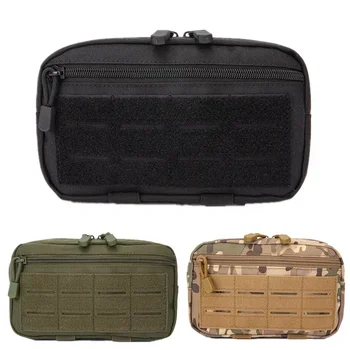
- Saddle or Frame Bags: Store repair tools, snacks, and small essentials efficiently
Actionable Tip: Practice basic repairs like changing a tire or adjusting brakes before heading into remote trails.
6. Navigation and Tech
Modern cycling often integrates technology:
- GPS Devices or Cycling Computers: Track speed, distance, and elevation
- Smartphone Mounts: For route navigation and emergency access
- Heart Rate Monitors or Power Meters: Improve training efficiency and track performance
Trend Insight: 2026 shows increasing adoption of connected cycling devices, which link to apps for route tracking, group rides, and performance analysis.
Cycling Gear Trends in 2026
- Sustainability: Lightweight, durable gear made from recycled materials is gaining popularity
- Tech Integration: Smart helmets, GPS devices, and power meters enhance safety and training
- Versatile Clothing: Multi-use, weather-adaptive clothing reduces gear bulk
- Compact and Lightweight Accessories: Bags, tools, and hydration systems are smaller, more functional, and easier to carry
Tips for Choosing Cycling Gear
1. Match Gear to Your Ride Type
- Road cycling: Lightweight frames, aerodynamic helmets, and performance clothing
- Mountain biking: Durable frames, protective pads, and off-road tires
- Adventure or commuting: Hybrid bikes, multi-functional bags, and visibility accessories
2. Invest in Safety First
Quality helmets, lights, and protective gear outweigh cosmetic upgrades in terms of value and safety.
3. Test Gear Before Long Rides
Practice with your bike, clothing, and repair tools on shorter rides to ensure comfort and efficiency.
4. Prioritize Versatility
Multi-use gear reduces weight, improves convenience, and adapts to unexpected conditions or route changes.
Cycling in 2026 is about performance, safety, and adaptability. The right gear transforms every ride, whether you’re tackling mountain trails, road routes, or hybrid adventures. By investing in quality bikes, safety gear, clothing, and tech tools, you can enjoy a safer, more efficient, and more enjoyable cycling experience.
Start building your ideal setup today: test your equipment, plan your routes, and combine safety with performance to get the most out of every ride.



0 Comments