
Camping is one of the most immersive forms of outdoor recreation, offering the perfect way to disconnect from the digital world, enjoy nature, and recharge physically and mentally. Whether you’re planning a weekend getaway, backcountry adventure, or a climbing expedition with overnight stays, having the right camping equipment ensures safety, comfort, and a memorable experience. This guide highlights essential gear, emerging trends, and actionable tips for campers in 2026.
Why Proper Camping Equipment Matters
Camping isn’t just about setting up a tent and sleeping outdoors. Proper equipment:
- Protects against weather, insects, and wildlife
- Keeps you comfortable for extended trips
- Reduces environmental impact with sustainable gear
- Supports outdoor activities like hiking, climbing, or kayaking
Trend Insight: In 2026, campers increasingly prioritize lightweight, multi-purpose, and eco-friendly equipment that combines convenience with sustainability.
Essential Camping Equipment for Every Camper
1. Shelter and Sleeping Gear
Your campsite setup is your base, so prioritize durability and comfort:
- Tents: Look for waterproof, lightweight, and easy-to-pitch designs. Two-person tents are popular for solo or paired trips, while larger tents suit groups.
- Sleeping bags: Choose based on temperature rating. Down bags are warm and lightweight; synthetic bags perform better in damp conditions.
- Sleeping pads or mats: Provide insulation and cushioning from the ground. Inflatable or foam pads work well depending on the terrain.
Pro Tip: Always test your tent and sleeping setup at home before heading into the wilderness.
2. Cooking and Food Gear
Camping meals are easier and safer with proper equipment:
- Portable stoves or burners: Lightweight backpacking stoves or propane burners for group cooking.
- Cookware: Compact pots, pans, and utensils designed for camping.
- Food storage: Bear-proof containers or hanging systems in wildlife-heavy areas.
- Hydration: Water bottles, hydration bladders, or portable filters for safe drinking water.
Trend Insight: In 2026, more campers are using compact multi-functional cookware and reusable containers to reduce weight and environmental impact.
3. Clothing and Layering
Weather can change quickly outdoors, making clothing choices critical:
- Base layers: Moisture-wicking fabrics keep you dry and comfortable.
- Insulating layers: Fleece or down jackets provide warmth during cool nights.
- Outer shell: Waterproof and windproof jackets protect from rain and wind.
- Accessories: Hats, gloves, and thermal socks improve comfort and safety.
Pro Tip: Layering is more versatile than a single heavy jacket, allowing adjustments for temperature changes.
4. Navigation and Lighting
Being able to move safely and see clearly is essential:
- GPS devices and maps: Track location, plan routes, and mark waypoints.
- Compass: A reliable backup to GPS technology.
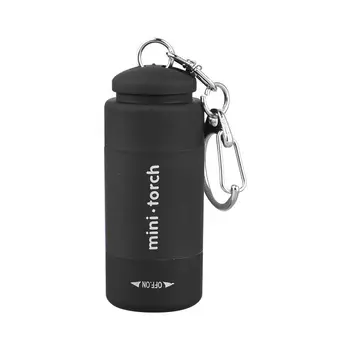
- Headlamps and lanterns: Hands-free lighting for tasks and navigation after dark.
- Spare batteries or solar chargers: Ensure your devices remain powered.
5. Safety and Emergency Gear
Preparedness is key to a safe camping experience:
- First aid kit: Bandages, antiseptics, and tools for minor injuries.
- Multi-tool or knife: Useful for campsite tasks and emergencies.
- Emergency blanket or bivy sack: Protects against cold or unexpected overnight stays.
- Whistle: For signaling in emergencies or poor visibility.
Pro Tip: Familiarize yourself with your safety gear before heading out—it can save crucial time in emergencies.
6. Camping Accessories
Small additions can improve convenience and comfort:
- Trekking poles: Useful for hikes to the campsite.
- Portable chairs or hammocks: Lightweight seating for relaxation.
- Insect repellent and sunscreen: Protect skin and health from environmental factors.
- Trash bags: Leave no trace and maintain the campsite responsibly.
Trend Insight: Multi-functional and lightweight accessories dominate 2026 camping setups, reducing pack weight while maximizing utility.
Tips for Choosing Camping Equipment
1. Match Gear to Trip Type
- Backpacking or multi-day hikes: Prioritize lightweight, compact gear.
- Car camping or group trips: Larger tents and stoves can enhance comfort.
2. Invest in Quality
Durable equipment lasts longer, reduces replacement costs, and ensures safety in unpredictable conditions.
3. Test and Practice
Set up tents, stoves, and sleeping arrangements at home or in local parks to ensure familiarity.
4. Prioritize Versatility
Items that serve multiple purposes—like a sleeping pad that doubles as a seat cushion—save space and weight.
Camping in 2026 is about preparation, efficiency, and sustainability. The right camping equipment enhances safety, comfort, and enjoyment, whether you’re hiking to a remote climbing base or spending a weekend in a forested campground.
Start planning your next camping trip by choosing the right shelter, cooking setup, clothing, and safety gear, and practice using your equipment before heading into the wild. With the right preparation, every camping adventure becomes safer, more comfortable, and unforgettable.



0 Comments