

Hiking is one of the most popular outdoor recreation activities, offering physical exercise, mental clarity, and a chance to connect with nature. But whether you’re tackling a beginner trail, a backcountry adventure, or approaching a climbing base, having the right hiking gear can make the difference between an enjoyable day and a risky experience. This guide breaks down essential gear, trends, and practical tips for hikers in 2026, so you’re prepared for any trail.
Why Proper Hiking Gear Matters
Hiking isn’t just walking in nature—it’s a test of endurance, preparation, and safety. The right gear ensures you:
- Stay comfortable over long distances
- Avoid injury and protect against weather extremes
- Carry essentials efficiently without overloading
- Navigate terrain safely, including when connecting to climbing routes
Trend Insight: In 2026, hikers are prioritizing lightweight, durable, and sustainable gear more than ever, blending efficiency with environmental consciousness.
Essential Hiking Gear for Every Hiker
1. Footwear
Your shoes or boots are your foundation:
- Trail running shoes for lightweight, fast hiking on easy to moderate terrain
- Hiking boots for ankle support and rugged trails
- Climbing approach shoes if your hike transitions to a climbing base
Tip: Always break in new footwear before long hikes to prevent blisters.
2. Backpacks
Backpacks need to balance capacity, weight, and comfort:
- Daypacks (20–30L) for short hikes
- Multi-day packs (40–60L) for overnight trips
- Look for adjustable straps, ventilated back panels, and hydration compatibility
Actionable Tip: Use packing cubes or stuff sacks to organize gear efficiently.
3. Clothing and Layering
Weather can change rapidly in the outdoors. Layering is key:
- Base layer: Moisture-wicking to keep skin dry
- Insulation layer: Fleece or down for warmth
- Outer shell: Waterproof and windproof jacket
Trend Insight: 2026 sees more hikers choosing sustainable fabrics that are breathable, lightweight, and durable.
4. Navigation Tools
Navigation is essential for safety:
- GPS devices and smartphone apps for precision tracking
- Topographic maps for understanding terrain
- Compass for reliable, tech-free orientation
Pro Tip: Learn to use all three together for maximum safety in unfamiliar terrain.
5. Safety and Emergency Gear
Being prepared for emergencies is crucial:
- First aid kit with essentials like bandages, antiseptics, and blister care
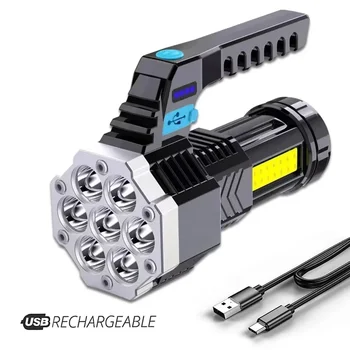
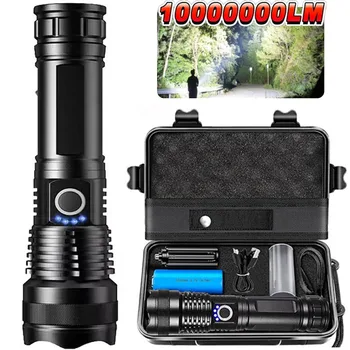
- Headlamp or flashlight with extra batteries
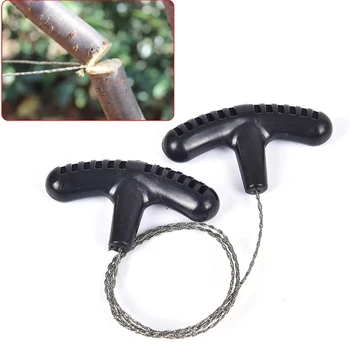
- Multi-tool or knife for various trail tasks
- Whistle and emergency blanket for signaling and warmth
Actionable Tip: Familiarize yourself with your emergency gear before hitting the trail.
6. Hydration and Nutrition
Keeping fueled and hydrated is critical:
- Hydration systems: Bladder packs or water bottles
- Energy snacks: Trail mix, protein bars, or dried fruit
- Water purification: Tablets or lightweight filters for backcountry trips
Trend Insight: Many 2026 hikers now prefer eco-friendly, reusable hydration systems and locally sourced trail snacks.
7. Trekking Poles and Accessories
- Trekking poles reduce knee strain, especially on steep or uneven terrain
- Sunglasses, hats, and sunscreen protect against sun exposure
- Lightweight gloves and gaiters add protection in cold or wet conditions
Pro Tip: Adjustable poles allow for quick height changes on varying terrain.
2026 Hiking Gear Trends
- Sustainability: Recycled materials, repairable gear, and eco-conscious manufacturing are trending.
- Technology Integration: Smart watches and GPS devices with offline mapping, weather alerts, and fitness tracking are becoming standard.
- Multi-Use Gear: Items like convertible jackets, modular backpacks, and climbing-compatible footwear save space and weight.
- Compact and Lightweight: Hikers are focusing on carrying only essentials, emphasizing minimalist yet functional gear.
Tips for Choosing Hiking Gear
1. Match Gear to Terrain and Trip Length
- Short trails: Lightweight daypack, minimal layers
- Long or backcountry hikes: Multi-day pack, navigation tools, emergency kit
2. Invest in Quality
Durable gear saves money in the long term and reduces the risk of failure in the wilderness.
3. Test Before You Go
- Try boots, packs, and layered clothing in practice hikes
- Familiarity ensures comfort and prevents surprises on the trail
4. Prioritize Versatility
Gear that serves multiple functions—like jackets that double as windbreaks or trekking poles that collapse into a tent pole—reduces pack weight.
Hiking in 2026 is about preparation, efficiency, and adaptability. The right gear ensures safety, comfort, and a more enjoyable experience, whether you’re on a day hike or exploring routes that lead to climbing adventures.
Start building your gear setup today: invest wisely, practice with your equipment, and adjust based on terrain and conditions. Proper preparation makes every hike safer, more fun, and more memorable.



0 Comments